What Customers Really Want From a Modern Cafe
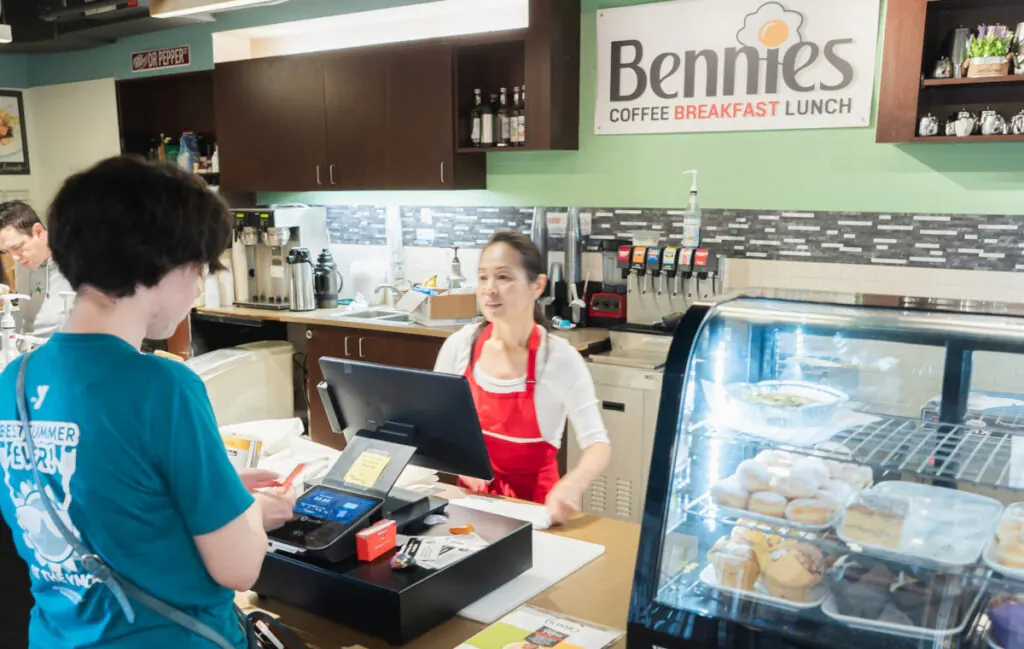
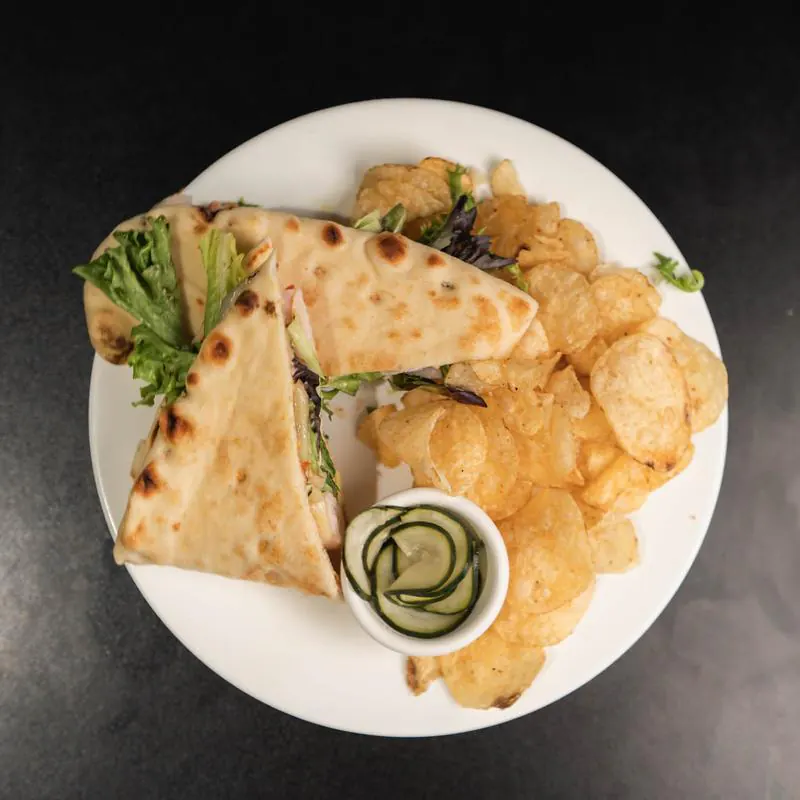
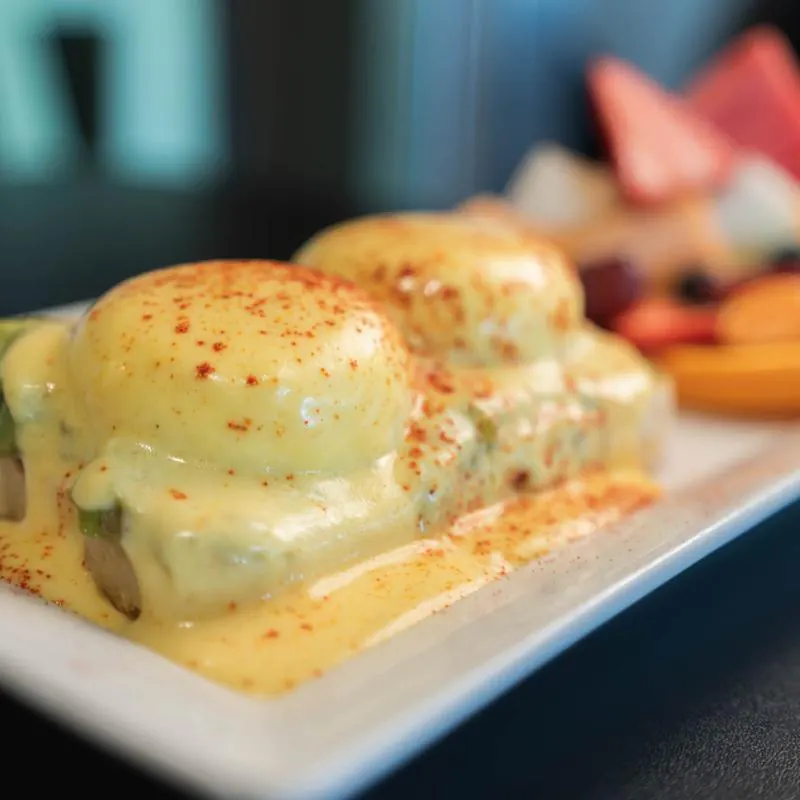
A modern cafe can still fail while serving excellent coffee.
That sounds unfair until you spend time watching how people actually choose where to sit, what they order, how long they stay, and whether they come back. Taste matters, of course. Coffee that is burned, sour, flat, or inconsistent will eventually push people away. But most customers judge a cafe as a whole experience, not a single product. They notice how the room feels at 8:15 a.m., whether the line moves without stress, whether the music lets them think, whether the restroom is clean, whether the Wi-Fi works, whether the staff remember their usual order, and whether the place makes them feel welcome without hovering over them.
Owners sometimes overestimate what impresses people and underestimate what makes them loyal. A new espresso machine, a dramatic signature drink, or a fashionable renovation can create a burst of attention. Loyalty tends to come from smaller, steadier things. Reliability. Ease. Comfort. Respect for time. A sense that someone thought carefully about how real people use the space.
The word "modern" creates its own confusion. It does not simply mean minimalist interiors, bright white walls, and expensive equipment. Customers rarely walk in hoping to admire a design concept. They want a cafe that fits into their life. For one person, that means a fast and friendly stop before work. For another, it means a clean table, a power outlet, and ninety focused minutes. For a parent, it may mean enough room to maneuver a stroller without apologizing to everyone in the room. For an older customer, it may mean clear signage, sensible lighting, and chairs that do not punish the back.
What people Cafe bennies.cafe really want is a place that feels current because it understands current habits.
Good coffee is the baseline, not the whole proposition
There was a time when simply serving a better cappuccino than the place down the street gave a cafe a real edge. In many markets, that is no longer enough. Customers have become more knowledgeable, but just as important, they have more options. Specialty coffee has expanded. Home equipment has improved. Delivery has trained people to expect convenience. Office workers split their week between home, commuting, and shared workspaces. Students compare five places before settling into one. If a cafe wants repeat business, it has to clear the quality bar and then solve practical needs.
That quality bar still matters. Espresso should be balanced. Milk texture should be smooth. Batch brew should taste fresh. Food should not look like an afterthought. If a cafe cannot deliver the basics consistently, everything else starts to feel cosmetic. Yet customers usually forgive a slightly less dazzling flat white if the experience around it is easy, warm, and dependable. They are less forgiving of a superb drink that comes with a ten minute wait, curt service, sticky tables, and nowhere to sit.
One of the clearest patterns in hospitality is this: customers remember friction as vividly as they remember flavor. A register bottleneck, a confusing menu, a seat with no bag hook, an outlet that does not work, an air conditioner that blasts one half of the room and ignores the other half, these details shape perceived quality more than many operators realize.
Speed without feeling rushed
People often say they want fast service, but what they usually mean is smooth service. A three minute wait can feel perfectly reasonable if it is predictable and well managed. A ninety second wait can feel irritating if the process looks chaotic.
Modern cafe customers do not need everything at top speed. They need confidence that the place respects their time. That begins before the order is placed. The menu should be readable from a short distance. Prices should not require detective work. Staff should know who is next. Pickup should be obvious. If the kitchen runs behind on food, someone should say so early.
In busy morning trade, even small design choices matter. If customers must crowd around one tiny counter to order, pay, collect pastries, and wait for drinks, tension rises quickly. When ordering and collection have distinct flow, the room feels calmer. This is one reason many successful cafes rethink their front counter long before they buy more decorative furniture.
There is also a staffing dimension. Customers can tell when a team has enough support. They may not know the exact labor model, but they feel the difference between a barista trying to take orders, steam milk, plate food, clear dishes, answer Wi-Fi questions, and restock lids all at once, versus a well balanced shift where each role is manageable. Good service often looks effortless only because someone planned it carefully.
A room that serves multiple kinds of visits
One mistake I have seen repeatedly is designing a cafe for a fantasy customer instead of the real mix who walk through the door. The fantasy customer orders a photogenic drink, sits beautifully by the window, posts a picture, and somehow never needs a charger, a restroom, a second cup, or a quieter seat. Real customers are messier. They arrive with laptops, children, shopping bags, phone calls, awkward meetings, rainy coats, and deadlines.
A modern cafe works best when the space quietly supports different behaviors at once. Not every table should do the same job. A couple of small two tops near the entrance can handle quick visits. A counter along a wall may suit solo customers. A few larger tables allow casual meetings or groups. Soft seating can help if it is comfortable and not so low that eating becomes difficult. Hard chairs have their place too, especially when turnover matters.
The trick is balance. If every seat is optimized for lingering laptop users, lunch traffic suffers. If every seat is cramped and upright, nobody wants to stay long enough to buy a second drink or a pastry. The strongest rooms create subtle zones without putting up signs everywhere. Customers read cues faster than operators expect. Light, spacing, outlet access, table size, and chair style all suggest what kind of stay is welcome.
Noise deserves more respect in this conversation. Many cafes get the visual design right and the acoustics disastrously wrong. Hard floors, hard ceilings, hard walls, metal chairs, a grinder running every few minutes, and a playlist with heavy percussion can turn a half full room into a stressful one. People say they want a lively atmosphere. Few enjoy having to lean forward and repeat themselves four times. Modern customers often want energy with intelligibility. That takes acoustic planning, not just good taste.
Digital convenience, used with restraint
Customers expect certain digital basics now. They do not always say it directly because it feels obvious. A cafe does not need to become a technology showroom, but it does need to remove avoidable annoyance.
Reliable card payments are close to nonnegotiable in many areas. QR menus can be helpful in some contexts, but replacing every physical menu with a code often feels like the operator shifted inconvenience onto the customer. The better approach is usually mixed. Keep a concise visible menu, use digital tools where they reduce friction, and avoid forcing every person to use a phone for a simple coffee order.
Wi-Fi remains important, but expectations have matured. People are less dazzled by the mere presence of internet access and more sensitive to whether it works without a ritual of asking for changing passwords. Power outlets matter too, though they create their own business trade-offs. More access encourages longer stays. Longer stays can build loyalty and higher second-purchase rates, but only if table availability remains healthy. Some cafes solve this by placing power mainly in specific zones rather than every seat. That is a sensible compromise when space is tight.
Online ordering can be excellent for commuter trade, especially in dense neighborhoods or near transit hubs. Yet it should not damage the in-store experience. I have seen cafes improve mobile sales while making the room feel neglected, with bar staff constantly pulled toward incoming tickets and walk-in customers left wondering whether anyone has noticed them. Digital convenience should expand service, not split the room into first and second class customers.
The menu customers actually want
Most customers do not want a huge menu. They want a legible one.
This gets misunderstood all the time. Operators fear that limiting choice will drive people away. More often, clutter drives them away first. A modern cafe menu should offer enough range to cover common needs, but not so much that it slows ordering, stresses production, or creates quality drift. If the espresso drinks are good, the batch brew is fresh, the tea is not an afterthought, and a few cold options are well executed, that already covers a great deal of demand.
Food should follow the same logic. A focused offering beats a sprawling one, especially in smaller spaces. Customers notice when every pastry tastes sourced with care, when the toast or sandwich arrives at the right temperature, and when the vegetarian option feels intentional rather than obligatory. They also notice when a kitchen is trying to do brunch, bakery, lunch, retail pantry, smoothies, and evening sharing plates from a footprint built for coffee.
There are a few menu qualities customers consistently reward:
- clear categories and readable descriptions
- sensible options for dairy-free and dietary preferences
- at least one affordable item that does not feel like a compromise
- seasonal changes that feel meaningful, not gimmicky
- signatures that are easy to understand and easy to reorder
That last point matters. Novelty has value, but regulars build habits around drinks they can remember, pronounce, and trust. A once-a-season special with housemade syrup and unusual garnish may generate attention. It rarely becomes the backbone of a business. The backbone is usually a compact core menu done very well.
Hospitality without scripts
Customers can tell when a service style has been copied from a training manual rather than built around genuine care. Forced enthusiasm, repeated catchphrases, and overfamiliar greetings rarely create warmth. They create performance. Real hospitality feels more observant than theatrical.
In a modern cafe, people want to be acknowledged promptly and treated like adults. That means staff who can read context. The customer in a hurry appreciates precision and pace. The regular who wants to chat appreciates recognition without obligation. The person opening a laptop may want quiet efficiency rather than a prolonged explanation of the roast profile. Good teams learn to adapt tone, timing, and detail.
Remembering names can be lovely, but remembering preferences is often more valuable. So is remembering practical things. Which customer needs extra room for a stroller. Which office nearby always orders six drinks at 9:40. Which local contractor wants the strongest black coffee available and never waits for milk drinks anyway. Hospitality becomes powerful when it reduces effort for the guest.
This is also where many independent cafes can outperform chains. Chains can engineer consistency. Local operators can build familiarity. When done well, that familiarity feels like belonging rather than surveillance. Nobody wants to feel studied. They do like feeling known.
Cleanliness and maintenance speak louder than branding
A cafe can invest heavily in identity and still lose trust over basic upkeep. Customers often will not mention it directly, but they notice the rim of the sink, the wobble in the table, the dusty light fitting, the cloudy pastry case, the toilet seat that never seems fully clean, the chipped cup used for dine-in, the fridge handle that feels sticky. These are not glamorous details, yet they have an outsized effect on how safe and competent a business feels.
What is interesting is how quickly customers translate visible maintenance into assumptions about invisible standards. If the bathroom is neglected, they begin to question the kitchen. If the milk fridge is grimy, they wonder what else is slipping. Fair or not, this is how people assess risk in hospitality spaces.
The best run cafes treat maintenance as part of brand expression. They do not separate aesthetics from operations. A beautiful room that is poorly maintained ages faster than a simple room that is cared for rigorously. Customers do not need perfection. They respond strongly to evidence of pride.
Price matters, but fairness matters more
People talk often about wanting cheap coffee. In practice, most customers accept that a well run cafe has real costs: rent, wages, ingredients, utilities, equipment service, packaging, and waste. What they resist is the feeling that price and value have drifted apart.
A customer will often pay more if the experience earns it. That might mean excellent coffee, but it might also mean generous seating, calm atmosphere, clean facilities, friendly service, and consistency. The reverse is also true. If prices rise while cups get smaller, food gets weaker, and service gets thinner, customers feel the mismatch quickly.
Transparency helps. If a specialty pour-over costs more, the menu should make that understandable. If an add-on is charged, the system should be consistent rather than arbitrary. Nothing erodes trust like vague pricing or inconsistent till behavior.
Affordability still matters, especially for repeat business. A cafe that wants local regulars cannot build the entire offer around occasional splurges. There should be an accessible path into the menu, whether that is a filter coffee, a simple tea, a smaller pastry, or a breakfast item that feels filling without being extravagant.
The local angle customers can feel
Many operators say they want to be a community cafe, but the phrase means little unless customers can experience it in concrete ways. Community is not a poster near the register. It is a pattern of decisions.
Sometimes that means stocking a few products from nearby makers. Sometimes it means opening early enough for neighborhood workers rather than only for leisurely brunch traffic. Sometimes it means knowing that the school run creates one kind of demand and the late afternoon remote work crowd another. A cafe earns local affection by responding to the rhythms around it.
This does not require sentimental branding. In fact, overplaying the neighborhood story can feel manipulative. Customers usually trust lived local relevance more than language about belonging. They notice when a place supports nearby events, remembers residents, adapts to seasonal foot traffic, or simply keeps hours that make sense for the area.
What customers forgive, and what they do not
Customers are often more generous than owners imagine, provided the business gets the fundamentals right. They will forgive a delayed sandwich if someone acknowledges it. They will forgive a limited menu if what is offered is good. They will forgive a small room if it is well organized. They will even forgive the occasional bad day if the broader pattern has earned trust.
What they tend not to forgive is indifference. Not caring is expensive.
The points that most often damage repeat trade are remarkably ordinary:
- inconsistent product quality
- dirty or poorly maintained spaces
- confusing service flow
- staff who seem unsupported or disengaged
- prices that feel detached from the overall experience
Each of those problems is fixable, but none are fixed by marketing alone.
CafeThe best modern cafes make life easier
If there is a single thread running through customer expectations, it is this: people want a cafe that fits smoothly into real life. Not a showroom. Not a concept in search of an audience. A place that understands mornings can be rushed, afternoons can be lonely, meetings can be awkward, parents can be tired, students can be broke, and regulars can be both creatures of habit and curious about something new.
Modern customers want quality, but they also want calm. They want convenience without feeling processed. They want design with comfort, technology with common sense, friendly service without scripts, and prices that feel justified. They want spaces where they can stay when they need to stay and move quickly when they need to move.
The cafes that thrive over time are usually not the ones chasing every trend. They are the ones that keep asking a simple operational question: what would make this easier, better, and more pleasant for the person standing in front of us right now?
When a cafe answers that question consistently, customers notice. More importantly, they return.
Bennies Cafe
17230 Jackson Creek Pkwy Ste 100, Monument, CO 80132
+1 719-445-0660
FAQ About Cafe
What is considered a café?
A café is generally an informal place to enjoy refreshments and a meal. Bennies Cafe in Monument serves breakfast and lunch in a counter-service setting, with options including eggs Benedict, sandwiches and crepes. Guests can eat in or arrange pickup.
What is the difference between a coffee shop and a café?
The terms often overlap. A coffee shop usually emphasizes coffee and other drinks, while a café may offer a broader food menu. Check the individual establishment's menu rather than relying on its name. Bennies Cafe offers coffee drinks alongside breakfast and lunch dishes.
What is the difference between café and coffee?
In everyday English, a café is a place where people buy food and drinks, while coffee is the beverage. The word café comes from the French word for coffee. Bennies Cafe serves options such as brewed coffee, espresso and lattes as part of its drinks menu.