The Best Cafe Opening Day Ideas for a Memorable Launch
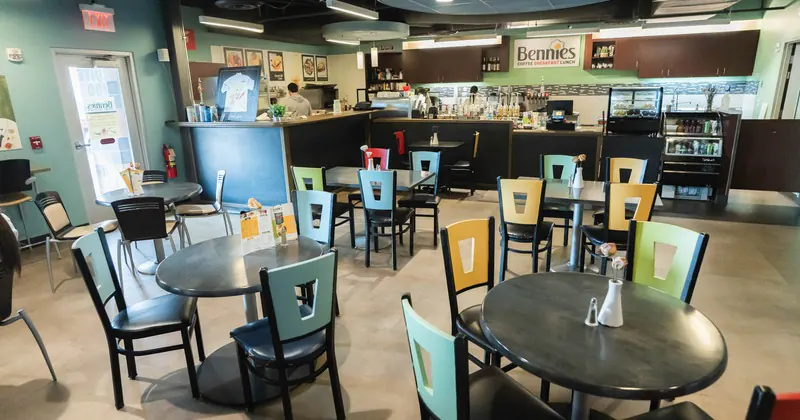
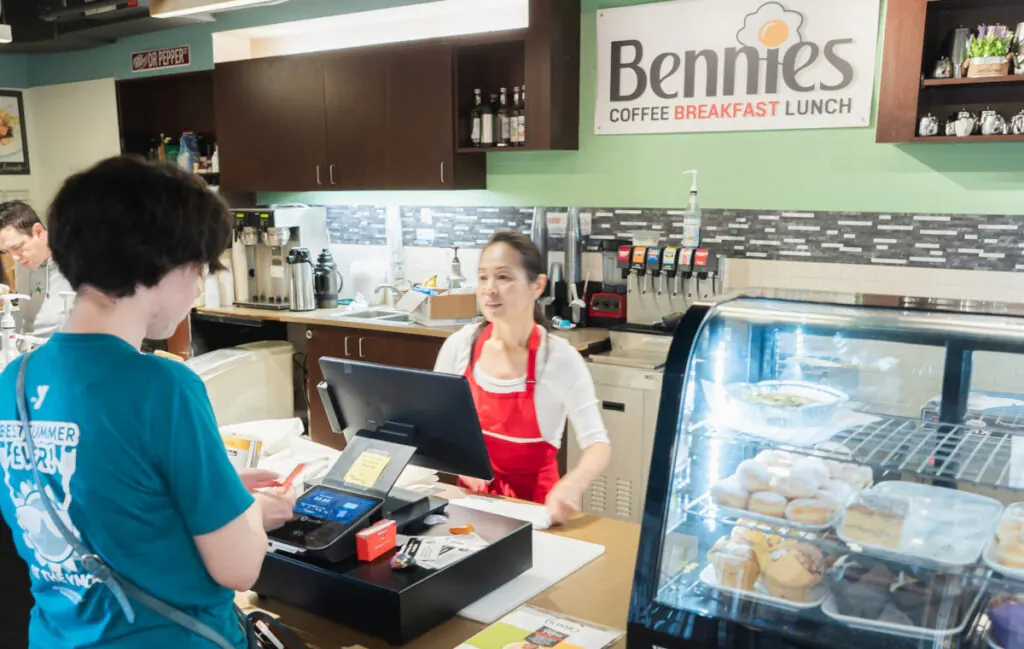
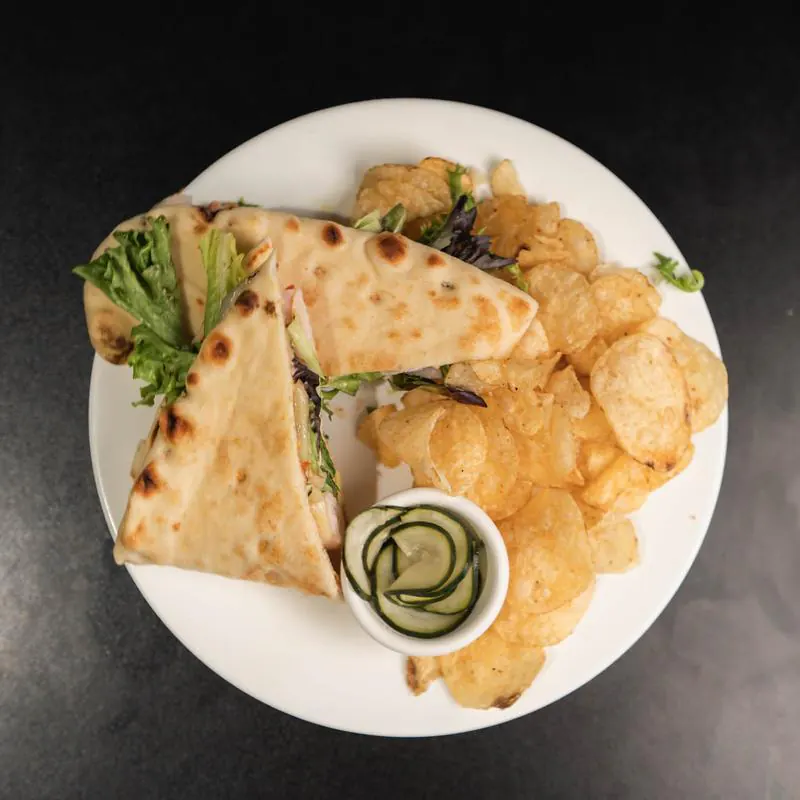
Opening day sets a tone that lingers far longer than most owners expect. Customers may forget the exact pastry they ordered, but they remember how a place made them feel on that first visit. They remember whether the room felt warm or awkward, whether the line moved smoothly or stalled, whether the staff looked excited or overwhelmed. A cafe launch is not just a sales day. It is a rehearsal, a public debut, and a brand statement compressed into a few fast-moving hours.
The strongest opening days rarely happen because someone spent the most money. They happen because the owner made smart choices about atmosphere, pacing, staffing, and customer experience. A new cafe does not need fireworks to feel special. It needs clarity, confidence, and a few thoughtful touches that make guests want to come back with a friend.
I have seen small neighborhood shops outperform heavily promoted launches simply by understanding their market. One owner offered a free mini madeleine with every coffee until noon, greeted every guest at the door, and made sure tables turned quickly without feeling rushed. Another shop booked Cafe a live band, ran three discounts at once, and opened with an unfinished workflow behind the counter. The second launch looked bigger on paper. The first created regulars.
Start with the kind of launch your cafe can actually deliver
Before choosing opening day ideas, it helps to answer one practical question: what kind of service can your team execute well under pressure? There is a real difference between a launch that attracts attention and one that attracts chaos. If your espresso bar is compact, your pastry case is limited, and your baristas are still building speed, a giant grand opening can backfire. A smaller soft launch with high-touch hospitality often does more for the business.
That is why the best opening day ideas begin with operational reality. A cafe that specializes in grab-and-go breakfast can handle a commuter rush with opening-day coffee cards or a first-100-guests pastry offer. A destination brunch cafe may benefit more from reservation blocks, photo-worthy plating, and partnerships with local makers. A bookstore cafe can lean into readings, quiet browsing, and a calm opening pace. The point is not to copy what works for another concept. It is to build an opening around your actual strengths.
When owners skip this step, they tend to pick promotional ideas first and service details second. That is the wrong order. If your till system freezes, the milk fridge is poorly stocked, or your team does not know who handles mobile order questions, no opening-day gimmick will save the impression.
Make the first hour feel deliberate
The first sixty minutes often shape the mood of the whole day. If they feel controlled, the rest of the launch usually settles in behind them. If they feel frantic, staff morale drops quickly and small mistakes multiply.
A good approach is to stage the opening, even if customers never notice the choreography. Invite nearby businesses, family, or a handful of newsletter subscribers for a preview window before full public traffic peaks. That smaller early wave gives the team a chance to warm up equipment, settle into register flow, and catch any menu confusion while stakes are lower. Even twenty to thirty guests can expose the weak points in a way internal training never does.
Music matters here more than owners think. Loud playlists can make a half-full room feel tense. Softer, upbeat music helps a space feel alive without adding pressure. Lighting should flatter the food and the room. Signage should answer basic questions instantly: where to order, where to wait, whether water is self-serve, whether Wi-Fi exists, and what the signature items are. Customers forgive a short wait when they know what is happening. They get irritated when they feel lost.
Offer something memorable, not just discounted
Discounts attract traffic, but they do not always create attachment. Some of the most effective cafe opening day ideas involve a small signature gesture that reflects the brand. This works because it gives the opening a personality, not just a price point.
If your cafe is known for house-made syrups, let guests try a mini seasonal drink sample while they wait in line. If your pastries are the draw, stamp each pastry bag with a simple opening-day mark and include a note about what is baked fresh each morning. If your concept centers on local sourcing, display a small card introducing the roaster, baker, or nearby dairy you work with. These details give people a story to tell later, and word of mouth tends to spread through stories rather than percentages.
The key is to avoid stacking too many offers at once. Free drip coffee, a ten percent discount, a raffle, and a pastry giveaway can confuse both staff and customers. One clear signature offer usually performs better. For example, a cafe might give every guest a return card for one complimentary filter coffee on their next visit. That choice protects opening-day margins and drives repeat traffic, which is more valuable than a one-time spike.
Build the room for conversation
People often talk about launch promotions and forget the room itself. Yet in a cafe, the physical environment carries as much weight as the menu. Customers look around while they wait. They notice whether the flowers are fresh, whether the condiment station is clean, whether the seating mix makes sense, whether the restroom feels finished, whether staff seem proud of the space.
Opening day is a smart time to make the room slightly more personal than usual. A chalkboard with a short welcome message works well when it sounds genuine. Framed notes about the neighborhood, the building, or the inspiration behind the menu can soften a new space. If the design is minimal, one tactile feature, such as stacked coffee bags from your roaster or a visible pastry prep area, can create interest without clutter.
A cafe with limited seating should think carefully about dwell time on opening day. There is always a tension between wanting guests to settle in and needing enough turnover to serve the crowd. This is where layout and service style help. Standing rails near the front, a visible pickup zone, and a few outdoor perch spots can ease pressure without making the place feel transactional. You do not need to tell people to move along if the space naturally supports short and long stays in different corners.
Give your staff a script, not a speech
Customers can sense when a team is underprepared. They can also sense when a team is over-rehearsed. The sweet spot is giving staff a few anchor phrases and clear decision rights, then letting their personalities come through.
Every barista and front-of-house team member should know how to answer the same core questions. What should a first-time guest order? How long is the current wait? What is sold out? Are substitutions possible? What is the story behind the cafe? If each answer sounds wildly different depending on who is asked, the brand feels uneven.
One owner I worked with used a simple opening-day staff sheet that fit in an apron pocket. It included the top three items to recommend, the expected ticket time range, allergy notes, and one recovery gesture staff could offer without asking a manager, such as remaking a drink immediately or adding a cookie if an order was delayed. That tiny bit of structure saved a lot of hesitation behind the counter.
Here are five opening-day points every cafe team should know cold:
- The one or two signature items to recommend first
- The expected wait time during busy stretches
- How to handle a wrong order or a customer complaint
- What can be comped or remade without manager approval
- Where guests should queue, collect orders, and find essentials
That may sound basic, but basics create smooth service. On launch day, smooth beats clever every time.
Use local partnerships that make sense
Partnerships can give a new cafe immediate credibility, especially in neighborhoods where residents care deeply about local businesses. The mistake is partnering for visibility alone. The right partnership should reinforce your concept and improve the guest experience.
A florist can dress two tables and the front window more effectively than a large balloon display ever will. A local bakery can co-brand one special item if your kitchen is not ready for a full pastry program. A neighborhood ceramicist can provide mugs for dine-in service and sell a limited batch near the register. A musician can play a low-key acoustic set during a slow midmorning period, provided the acoustics suit it. Each of these options feels more grounded than generic event decor.
Partnerships also broaden your reach before the doors open. A local roaster sharing your launch on social media brings an audience already interested in coffee. A nearby yoga studio can mention your opening to morning members if you offer a post-class special during the first week. A children’s bookstore can collaborate on a quiet family hour if your daytime traffic includes parents. These are not giant marketing campaigns. They are targeted introductions.
There is a trade-off, though. Every external partner adds coordination. If your team is already stretched setting up equipment, training staff, and finalizing inventory, keep partnerships light. One excellent collaboration is better than four half-managed ones.
Turn your menu into an opening-day advantage
Many new cafes make the menu too large at launch because they want to show range. In practice, a tighter menu usually serves the opening better. It helps the kitchen and bar move faster, reduces waste, and makes recommendations easier.
Opening day should favor high-confidence items. That means drinks and dishes you can execute consistently, not everything you hope to offer six months from now. If your signature is a cardamom latte, a smoked cheddar scone, and a ricotta toast, lead with those. If you intend to add elaborate weekend plates later, keep them off the opening-day menu until the team is ready.
This is especially important for specialty coffee programs. A new cafe may be tempted to showcase every brewing method on day one. Unless the staff is highly practiced and the service model supports it, that can slow the line dramatically. Many successful launches keep espresso, batch brew, tea, and a small number of seasonal drinks, then introduce pour-over service once the team settles in.
Language on the menu also matters. Descriptions should be inviting, not cryptic. Customers are often more adventurous on opening day because they want to try the thing the cafe is known for. Help them by naming that thing clearly. “House pistachio cream bun” sells better than a vague pastry title. “Orange zest cold brew tonic” tells a curious customer more than a clever but opaque drink name.
Create moments people want to share
Some owners hear “Instagrammable” and immediately think of neon signs or gimmicks. In reality, people share what feels distinctive, attractive, or emotionally warm. That could be a beautiful pastry counter, latte art that holds up in photos, a tiled front bench in good natural light, or packaging with a sharp logo and pleasant texture.
You do not need to manufacture a social media moment. You need to notice where your cafe already looks its best and let people encounter that naturally. Place your pastries where the morning light hits them well. Use cups that photograph cleanly. Keep the pickup counter uncluttered. If your facade is charming, consider a small floral arrangement by the entrance for the first weekend. Guests will do the rest.
One practical note from experience: make sure your staff knows how to keep these visual touchpoints presentable during busy service. A beautiful pastry case is no asset if it looks ravaged by 9:15 a.m. Have someone assigned to resetting it, wiping glass, and refreshing labels. The same goes for retail shelves, self-serve stations, and outdoor seating. Opening-day photos become part of your public record quickly.
Collect attention while you have it
A busy launch feels exciting, but foot traffic alone is not momentum unless you capture some of it for later. Many owners focus on the crowd and forget the follow-up. That is a missed opportunity.
A simple email sign-up at the register can work if staff mention it naturally. A QR code near the pickup area can invite guests to join for menu updates, early access to workshops, or a free birthday drink. The wording matters. “Join our mailing list” is weak. “Get first notice of seasonal drinks and tasting nights” is stronger because it offers a reason.
You can also gather softer forms of customer connection. Ask guests where they heard about the opening. Notice what they photograph. Listen for menu questions that come up repeatedly. Pay attention to which tables fill first and which seats no one chooses. Opening day is market research in real time. Owners who treat it that way make better decisions in the weeks that follow.
Plan for the line, because there will probably be one at the worst possible moment
Even a modestly successful cafe launch tends to experience one awkward surge. Often it comes when the owner is speaking to a supplier, a card reader needs rebooting, or someone asks for a menu item that sold out ten minutes ago. That is why line management deserves actual planning.
The best systems are visible and low-friction. A staff member near the door can greet people, answer basic questions, and direct those grabbing quick takeaway items. Printed menus or a large board by the queue reduce indecision at the register. Batch-brewing one or two core coffees during rush periods can dramatically improve throughput without compromising quality if you manage freshness carefully.
One small cafe I know cut ticket times by nearly a third on opening weekend by pre-portioning pastry boxes, posting a clear “best first orders” sign, and assigning one staff member purely to handoff and reset. None of those changes were expensive. All of them reduced bottlenecks.
CafeIf you expect high traffic, it helps to think through these scenarios before doors open:
| Situation | Best response | |---|---| | Espresso queue backs up | Shift orders toward batch brew and one fast seasonal drink | | Bestselling pastry sells out early | Update the board immediately and have a substitute ready to recommend | | Guests crowd pickup area | Mark a clear waiting zone and use names consistently | | New staff freeze under pressure | Pair them with a confident lead for the busiest hour | | Payment issue slows service | Keep one manual backup process ready and communicate calmly |
A cafe launch rarely falls apart because of one major disaster. It usually stumbles through a dozen tiny avoidable delays. Anticipating them gives the whole day a steadier feel.
Mark the occasion without making it feel corporate
Some of the best opening-day ideas are quiet. A founder standing near the door to thank guests. Handwritten notes tucked into a few takeaway bags. A wall where neighbors can leave recommendations for future menu items. A first-day photo of the team posted later with a genuine thank-you. These moments help a new cafe feel rooted instead of packaged.
There is room for celebration, of course. Ribbon cuttings can work in certain neighborhoods, especially where local business associations or chambers are active. A short toast with nearby shop owners can be appropriate if your concept is community-focused. But the tone should fit the cafe. A minimalist espresso bar in a business district and a family-oriented corner cafe in a residential neighborhood do not need the same kind of opening.
Owners sometimes worry that a restrained launch will seem underwhelming. Usually the opposite is true. Customers appreciate places that know what they are. If your cafe is warm, calm, ingredient-driven, and neighborhood-minded, let the opening reflect that. If it is energetic, youthful, and built around specialty drinks, lean that direction. Consistency is more memorable than spectacle.
Expect the day to teach you something uncomfortable
No matter how carefully you prepare, opening day will expose at least one weakness. It might be the pastry case placement, the dishwashing rhythm, the acoustics, the point-of-sale flow, or the fact that your “quick breakfast sandwich” is not actually quick. This is normal. The goal is not perfection. The goal is to learn fast without letting guests feel the strain.
The strongest operators end opening day by reviewing specifics, not impressions. Which drinks slowed the line? What time did the first stockout happen? Which questions kept coming up? Did the door host role help enough to justify repeating it? Which seating area sat empty, and why? These details matter more than whether the day “felt busy.”
Then comes the harder part, making changes immediately. If the pastry labels were too small, reprint them that night. If the batch brew station caused congestion, move it before morning. If customers loved one seasonal item and barely touched another, reorder accordingly. Opening day should launch the cafe, but it should also sharpen it.
A memorable cafe opening is not built on hype alone. It comes from a clear concept, a team that knows what to do, and a guest experience that feels considered from the first step in the door to the last sip. People return to places that feel alive, competent, and welcoming. Get those three things right, and opening day becomes more than an event. It becomes the first chapter of a place people want in their routine.
Bennies Cafe
17230 Jackson Creek Pkwy Ste 100, Monument, CO 80132
+1 719-445-0660
FAQ About Cafe
What is considered a café?
A café is generally an informal place to enjoy refreshments and a meal. Bennies Cafe in Monument serves breakfast and lunch in a counter-service setting, with options including eggs Benedict, sandwiches and crepes. Guests can eat in or arrange pickup.
What is the difference between a coffee shop and a café?
The terms often overlap. A coffee shop usually emphasizes coffee and other drinks, while a café may offer a broader food menu. Check the individual establishment's menu rather than relying on its name. Bennies Cafe offers coffee drinks alongside breakfast and lunch dishes.
What is the difference between café and coffee?
In everyday English, a café is a place where people buy food and drinks, while coffee is the beverage. The word café comes from the French word for coffee. Bennies Cafe serves options such as brewed coffee, espresso and lattes as part of its drinks menu.