Cafe Lessons From the Most Beloved Coffee Spots
The best cafe is rarely the fanciest one in town. It is the place people return to without checking their calendars, where a quick coffee turns into forty minutes, where staff remember an order without making a show of it, and where the room feels intact whether it is packed at 8:15 a.m. Or nearly quiet at 3:40 p.m. Beloved coffee spots do not win affection by accident. They earn it through hundreds of small decisions that most guests never consciously notice.
Spend enough time in strong cafe businesses, and certain patterns become impossible to ignore. The successful ones are not all identical. Some lean minimalist and design-led. Others feel slightly scuffed, warm, and full of neighborhood history. One may be known for exacting pour-overs, another for a breakfast sandwich people will drive across town to get. Yet under the surface, the most enduring places tend to understand the same truths about hospitality, product, pacing, space, and trust.
These lessons matter whether you run a corner coffee shop, manage a multi-unit brand, or simply care about why some places become part of local life while others remain interchangeable. Coffee alone is not enough. Plenty of cafes serve good coffee. The beloved ones build a relationship.
People come for coffee, but they return for how the place makes them feel
Owners often start with beans, equipment, roasting profiles, and training protocols. That makes sense. Product quality is a real threshold. If the espresso is harsh, the milk is poorly textured, or the drip sits too long, guests will notice, even if they cannot describe the flaw in technical terms. But once a cafe clears the quality bar, emotion takes over.
A beloved cafe makes people feel competent, welcome, and unhurried, even during rush periods. That is harder than it sounds. It requires staff who can read guests quickly. The commuter who wants a clean handoff should not be trapped in an enthusiastic origin story about the Guatemalan lot. The regular with a laptop and an obvious interest in coffee may enjoy exactly that conversation. Good service is not performance. It is accurate judgment.
I have seen cafes with expensive machines and beautifully designed interiors struggle because every interaction felt oddly tense. The menu language was too insider-heavy. The register flow made first-time guests feel slow. Staff corrected pronunciation or answered basic questions as if they were being interrupted. None of that shows up in a roast curve, yet it quietly erodes loyalty. On the other hand, I have watched modest, almost plain cafes outperform trendier competitors because the room felt easy. People knew where to queue, how to order, where to wait, and what to expect. Ease is a business asset.
There is a simple test. Watch a first-time guest enter. Do they hesitate? Do they scan the room for clues? Do they step aside because they do not want to hold up the line? Every second of uncertainty is friction. The best coffee spots remove that friction without flattening personality.
The menu should invite confidence, not prove sophistication
Many cafes overestimate how much complexity guests want from a menu board. This happens especially in markets where specialty coffee becomes a badge of seriousness. Suddenly the board is crowded with processing terms, roast notes, alt milk upcharges, limited offerings, and house language that makes perfect sense to the team but very little sense to the average customer.
The beloved cafe understands that clarity is not the enemy of craft. A menu can be precise and still be welcoming. If you offer a washed Ethiopian filter coffee with jasmine and citrus notes, say so. But if the drink is seasonal and available only as a batch brew until noon, that information should be easy to grasp in one glance. People do not mind options. They mind uncertainty.
This applies to food, too. Some of the strongest cafe menus are small by design. They know what the kitchen, prep space, and staff can execute well during pressure. A case full of twelve pastries sounds abundant, but if four go stale daily and the rest are inconsistent, abundance becomes waste. A focused pastry lineup, refreshed often, signals care. The same goes for sandwiches, grain bowls, toasts, and hot breakfast items. Beloved spots usually know the difference between a menu that draws customers and one that drains the team.
A useful rule of thumb is that every permanent menu item should earn its place in at least two ways. It might have strong margin and broad appeal. It might be operationally simple and beloved by regulars. It might be a signature item that anchors the brand. If a menu item is difficult to make, sells slowly, creates bottlenecks, and does Cafe not enhance the identity of the cafe, it is probably there for the owner’s ego.
Regulars are built through memory, not loyalty programs alone
A loyalty app can help. A free drink after a certain number of visits does nudge repeat traffic. But the emotional core of regularship is recognition. The most loved cafes train memory into the business.
That does not necessarily mean every barista memorizes every name on day one. It means the culture values noticing. Someone likes an extra-hot flat white. Someone else always orders a filter coffee and a sparkling water. A neighborhood parent comes in after school drop-off and needs speed more than chat. These details, remembered naturally and used lightly, create the feeling that a cafe belongs to its community rather than simply extracting sales from it.
There is a balance here. Recognition should never feel invasive. Guests appreciate being remembered, but they do not want staff reciting personal facts or forcing intimacy. A simple “the usual?” can be perfect with one customer and awkward with another. Experienced teams learn to calibrate.
The best coffee spots also understand that regulars are not a separate class of customer who get all the care while newcomers fend for themselves. The room should make space for both. If a line of regulars turns into a private club with obscure shorthand and inside jokes, new guests can feel like intruders. Beloved cafes avoid that trap by keeping warmth outward-facing.
Speed matters, but only if the product survives it
Rush periods reveal the truth about a cafe. Almost any operation can look polished at 11:10 a.m. On a quiet Tuesday. The real test is the compressed chaos of weekday mornings and weekend brunch windows, when the queue lengthens, mobile orders land in clusters, milk pitchers stack up, and the pastry case needs restocking at exactly the wrong moment.
The most admired coffee spots do not usually have the fastest baristas in some abstract sense. They have systems that reduce wasted motion. The grinder is placed where the workflow makes sense. Cups, lids, syrups, and milk are stored for reach rather than aesthetics. Food handoff does not collide with espresso production. A staff member can jump to register support without blocking the pickup zone. None of this is glamorous, and all of it matters.
Guests forgive a short wait when the room communicates control. They become irritated when delays feel preventable. If they can see three employees crossing paths, remaking drinks because of unclear callouts, or stopping to search for supplies, trust slips. Operational discipline is part of hospitality.
One of the strongest cafe teams I ever observed had a line almost to the door every morning, yet the atmosphere stayed calm. Orders were repeated clearly. Names were used sparingly but accurately. The person on pastries also watched the room for bottlenecks. The bar lead floated rather than planting in one station, solving small jams before they became visible problems. Drinks were excellent, but the deeper achievement was this: customers felt their time was respected.
Design is not decor, it is behavior shaped through space
People often talk about cafe design as a matter of style. Wood versus steel. Plants versus minimalism. Vintage chairs versus built-ins. Those choices affect mood, certainly, but beloved coffee spots treat design as a tool for directing behavior.
A great cafe layout answers practical questions before they are asked. Where do I line up? Where do I stand after ordering? Where is the pickup area? Can I tell whether a table is communal or private? Is this seat for a ten-minute espresso or a two-hour work session? If the room sends mixed signals, conflict follows. Guests hover, crowd, move chairs awkwardly, or camp in spaces that were never meant for lingering.
Acoustics are another neglected factor. Some cafes spend heavily on finishes and branding, then create rooms where every order call bounces off hard surfaces until conversation becomes effort. The places people love tend to manage sound better than they get credit for. They may use soft materials, strategic spacing, lower ceilings, or simply an intuitive sense of volume. A cafe does not have to be silent. It does need to let people hear each other.
Light matters in a similarly practical way. Early morning customers often want brightness and momentum. Midday guests appreciate a room that feels alive rather than exposed. Late afternoon regulars settle into corners with warmer light and slower energy. The beloved spots often support these different modes without seeming to force them. That is not accidental. It is a form of hospitality expressed through environment.
Consistency beats occasional brilliance
A cafe earns a reputation slowly and can lose it surprisingly fast. A spectacular single-origin espresso flight may delight enthusiasts, but if the cappuccino is lukewarm three visits out of ten, the broader customer base will not stay loyal. People build habits around predictability. They want to trust that the drink they love will taste right on a random Wednesday, not only when the owner happens to be on shift.
Consistency is difficult because it is not one skill. It comes from sourcing, training, calibration, recipe discipline, cleaning standards, equipment maintenance, and management follow-through. It also requires emotional steadiness from the team. Staff morale shows up in the cup more often than owners admit. Tired, unsupported baristas make more mistakes. A rushed opener who starts the day behind can throw off service for hours.
The most respected cafe operations tend to standardize the boring things so staff can be fully present for the human things. They document recipes. They dial in with discipline. They set station par levels. They define what “clean” means at close and at handoff. They do not leave critical quality decisions to memory and mood.
That does not mean becoming robotic. Quite the opposite. Clear standards free people to improvise where it helps. When the technical base is stable, staff can focus on reading guests, recovering service when something goes wrong, and bringing warmth to the room.
Food can make a cafe sticky, but only when it fits the identity
Coffee people sometimes underrate food, usually because they have seen menus bloat and quality slip. Yet many beloved cafes become daily fixtures because food makes them usable in more parts of life. A guest who might stop twice a week for coffee alone may come four times if there is a dependable breakfast item, a genuinely good pastry, or a simple lunch worth repeating.
The trick is fit. A cafe does not need to mimic a full restaurant. In fact, many fail when they try. Food should support the pace, staffing model, and brand promise of the business. A six-seat specialty coffee bar with one espresso machine and minimal prep space probably should not chase an all-day cooked menu. A large neighborhood cafe with family traffic and longer dwell times may absolutely benefit from warm sandwiches, soups, or rotating savory options.
Beloved coffee spots usually make one food category unmistakably theirs. It might be laminated pastries, soft scrambled egg sandwiches, Japanese-style sandos, or a few excellent cakes. They become known for something specific enough to travel for, but operationally sane enough to execute daily. That specificity matters. “Good food” is forgettable. “The cafe with the cardamom bun and the mushroom melt” enters local memory.
Price has to make sense emotionally, not just mathematically
Pricing in a cafe is rarely simple. Rent, labor, ingredients, utilities, maintenance, waste, packaging, and payment processing all exert pressure. Many owners know, correctly, that a drink can be underpriced relative to what it costs to make well. But customers do not buy spreadsheets. They buy value as they experience it.
A coffee can be expensive and still feel fair. It can also be cheap and somehow feel like poor value. The difference usually comes down to alignment. If a guest pays premium prices, they expect cues that justify them: excellent product, smooth service, a cared-for room, attentive staff, maybe even better cups and lids. If any part of that chain feels careless, price becomes the focal point.
The most beloved cafes are often quite good at explaining value without lecturing. They do it through visible freshness, confident staff, clean equipment, thoughtful presentation, and consistency. They also tend to know where not to push. Sometimes it is smarter to hold the price on a high-visibility drip coffee and recover margin elsewhere, rather than making the most common order feel punitive. Sometimes a slightly smaller menu with tighter waste control protects margins more effectively than another price increase.
Customers are not naive. They know quality costs money. What they resist is mismatch.
The best cafes handle mistakes in ways that deepen trust
Every cafe makes mistakes. Drinks are miscalled. Oat milk becomes whole milk. A pastry is sold out after it was promised. A mobile order disappears into the rush. What separates a merely competent shop from a beloved one is the recovery.
Good recovery is fast, calm, and non-defensive. No debate, no visible blame, no passive-aggressive reminder that the shop is busy. Just a clear acknowledgment, a remake if needed, and a tone that protects the guest from embarrassment. One of the strongest signs of a mature cafe team is that service recovery does not feel like an exception. It feels built in.
There is also a business case for this. A poorly handled error can turn a loyal customer into someone who quietly does not return. A well-handled error often strengthens attachment. People remember being taken care of. They remember when a staff member solved a problem before they had to push for it.
The shops with enduring affection usually train this explicitly. They empower staff to comp when appropriate, to remake without managerial theater, and to prioritize goodwill over small immediate losses. That sounds simple. In practice, it requires confidence, trust, and a culture that does not punish employees for using judgment.
Staff culture is visible from the customer side, even when owners think it is not
Many operators talk about guest experience and team culture as separate topics. In reality, they are fused. Customers can tell when staff are respected. They can also tell when a place runs on stress.
A beloved cafe often has a certain kind of staff energy. People move with purpose, but they are not brittle. There is eye contact. There is communication that sounds practiced without sounding scripted. During pressure, team members support each other instead of protecting their own station at all costs. None of this means the work is easy. Cafe work is physically repetitive, socially demanding, and often underappreciated. But strong shops create conditions where people can do it well.
That usually includes sensible scheduling, proper breaks, cross-training, clean handoffs, and management that notices burnout early. Turnover tells on a business. If the whole front line changes every few months, regulars feel the instability, training quality suffers, and service loses continuity. The most admired coffee spots may not keep every employee forever, but they tend to retain enough experienced people to preserve standards and memory.
Some of the strongest practical signals of a healthy staff culture are surprisingly mundane:
- Shift notes are clear and brief.
- Opening and closing duties are realistic.
- New hires train on both standards and service tone.
- Managers work the floor often enough to understand friction.
- Staff meals or drinks are treated as part of care, not perks to be begrudged.
These are not glamorous brand assets, yet they shape almost everything guests experience.
Community is built through repeated usefulness
A lot of cafes say they want to be “part of the community.” The phrase is overused because it sounds good and asks very little. Real community presence is more concrete. It comes from being useful, predictable, and generous over time.
The beloved coffee spots tend to understand their neighborhood’s rhythms. They know when nearby schools release, when office commuters hit hardest, when local events swell traffic, when weather changes demand. They may adjust staffing, product mix, or even music and seating based on those rhythms. They host events carefully, if events suit the space, but they do not confuse occasional programming with actual rootedness.
Being useful can mean many things. It can mean opening early enough for hospital workers. It can mean keeping one or two child-friendly tables rather than silently resenting families. It can mean posting Wi-Fi information clearly, maintaining a clean Cafe restroom, or carrying decaf that is treated with the same care as everything else. Small acts of practical generosity often matter more than splashy marketing.
The cafes people love also tend to have boundaries. Not every customer behavior should be indulged. Laptop policies, table turn expectations, outside food rules, and dog access all need clarity. What matters is that the rules fit the business and are enforced calmly. A boundary delivered with courtesy can actually strengthen trust because it shows the cafe is protecting the room for everyone.
A few lessons travel almost anywhere
Every market differs. A commuter-heavy downtown cafe faces different realities than a destination roastery in a residential district. Labor costs, rent, foot traffic, climate, and local taste all shape the model. Still, the most beloved coffee spots share a handful of durable lessons:
- Make the guest feel oriented within seconds of walking in.
- Build the menu around what the team can execute beautifully at volume.
- Treat consistency as a hospitality practice, not just a technical one.
- Design the room for behavior first, style second.
- Train staff to recover mistakes with speed and grace.
None of these ideas are flashy. That is part of the point. Lasting affection in a cafe business usually grows from disciplined basics, applied with taste and humanity.
Why beloved cafes feel rare, even when coffee is everywhere
Coffee has become abundant. In many cities, decent espresso is no longer difficult to find, and attractive interiors are even easier. What remains rare is coherence. The places people talk about with real fondness have a point of view that holds together under daily use. The coffee matches the service. The service matches the room. The room matches the neighborhood. The price matches the experience. The food, if offered, fits the operation. Staff standards support the promise rather than undermining it.
That coherence is harder to build than a brand identity package or a social media following. It takes repeated observation, honest self-editing, and a willingness to improve unglamorous systems. It also takes restraint. Many cafes become less lovable when they chase every trend at once. The most enduring ones know what they are and let that identity sharpen over time.
Beloved coffee spots are not perfect. They run out of pastries. They have bad days. A favorite barista moves away. A queue forms at the wrong moment. But the core experience remains trustworthy, and trust is what turns a business into a ritual. When people say, “That’s my cafe,” they are not just describing where they buy coffee. They are describing a place that has made itself useful and familiar in the texture of everyday life.
That is the real lesson from the most loved coffee spots. They do not only serve drinks. They create a dependable pocket of order, pleasure, and recognition inside the day. For a cafe, there may be no stronger advantage than that.
Bennies Cafe
17230 Jackson Creek Pkwy Ste 100, Monument, CO 80132
+1 719-445-0660
FAQ About Cafe
What is considered a café?
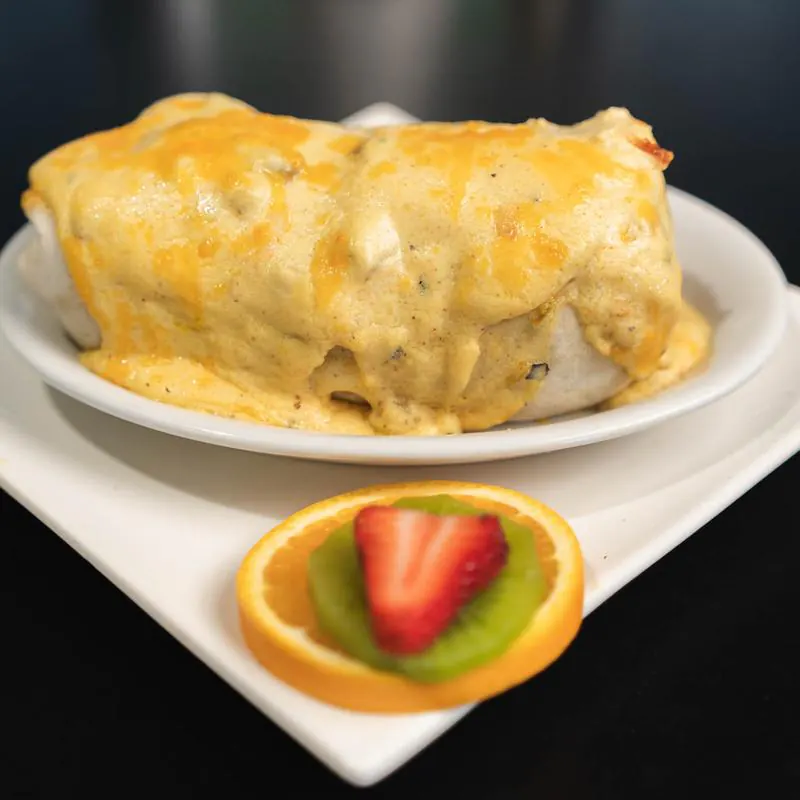
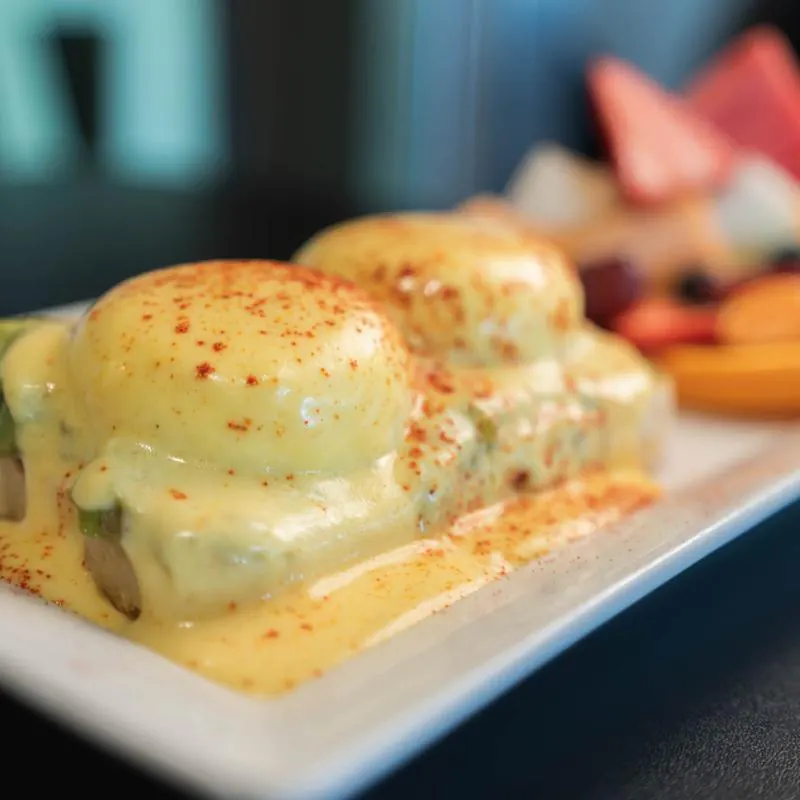
A café is generally an informal place to enjoy refreshments and a meal. Bennies Cafe in Monument serves breakfast and lunch in a counter-service setting, with options including eggs Benedict, sandwiches and crepes. Guests can eat in or arrange pickup.
What is the difference between a coffee shop and a café?
The terms often overlap. A coffee shop usually emphasizes coffee and other drinks, while a café may offer a broader food menu. Check the individual establishment's menu rather than relying on its name. Bennies Cafe offers coffee drinks alongside breakfast and lunch dishes.
What is the difference between café and coffee?
In everyday English, a café is a place where people buy food and drinks, while coffee is the beverage. The word café comes from the French word for coffee. Bennies Cafe serves options such as brewed coffee, espresso and lattes as part of its drinks menu.